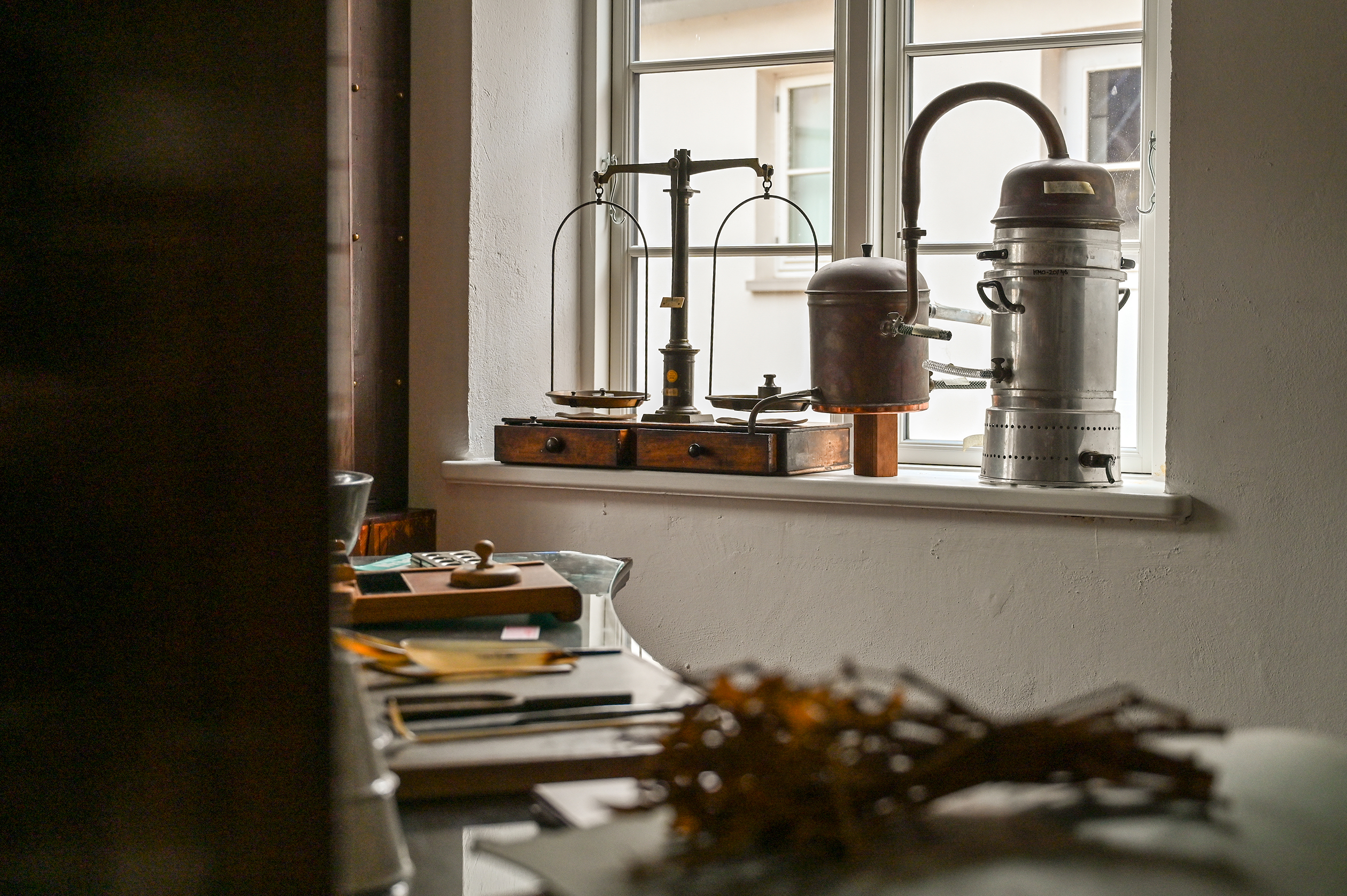
Thousands of Objects.
One Memory.
We collect, preserve and research the crafts and everyday history of the Wesermarsch. Accessible to all.
Our Mission
We see ourselves not merely as a store of the past, but as an active and inclusive memory of the community of Ovelgönne and the entire Wesermarsch.
As a scientifically guided museum, we collect tools, artefacts, original workshops and documents of the regional crafts and everyday culture from the 16th to the 20th century. One thing is particularly important to us: we do not preserve these testimonies behind locked doors.
What we collect depends on the current state of research and the social questions of our time, our holdings are living, not frozen.
Our goal is a lively dialogue about regional identity: yesterday, today and tomorrow. We make history comprehensible, experiential and accessible to all people.
In doing so we follow the principles of the ICOM Code of Ethics: collecting, preserving, researching, exhibiting and education form the core of our daily work.
Collecting & Preserving
Objects as witnesses of time.
Crafts Museum Ovelgönne places great value on material-cultural and cultural-historical aspects. What we collect depends on the current state of research and the social questions of our time.
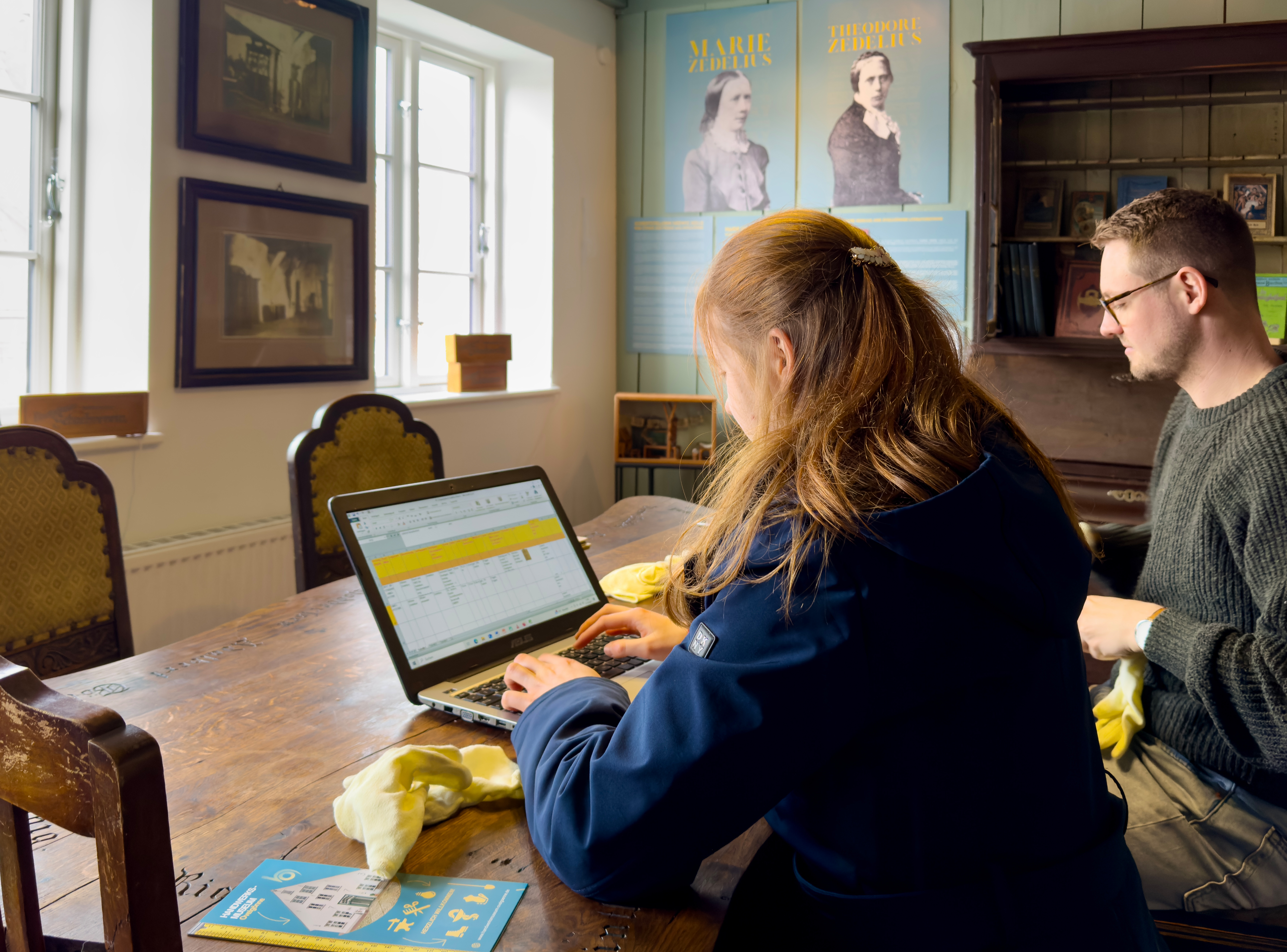
Since our founding we have maintained a complete register of all objects. Every piece receives an inventory number and is catalogued by material, category and age. This digital documentation is the basis of our scientific work.
Since 2018 we have been modernising our museum storage facilities. Improved air quality, effective light protection and stable temperatures ensure the long-term preservation of our sensitive collection: for all future generations.
Rediscovered every month
Loading …
Museum Work according to ICOM
Collect. Preserve. Educate.
Three tasks that guide us daily and that make our collection more than just a store of old things.
Collecting
We collect systematically: tools, artefacts, original workshops and everyday documents from the Wesermarsch: from the 15th to the early 20th century. Every addition to the collection follows scientific criteria and a clear research interest.
Preserving
Climate-controlled storage, preventive restoration, complete digital inventory: every object receives an inventory number and is documented by material, category and age. The collection is thus permanently preserved, for future generations too.
Education
History you can touch: we make our collection experiential for all people through exhibitions, education programmes, scientific partnerships and digital access: not behind glass, but in the midst of life.
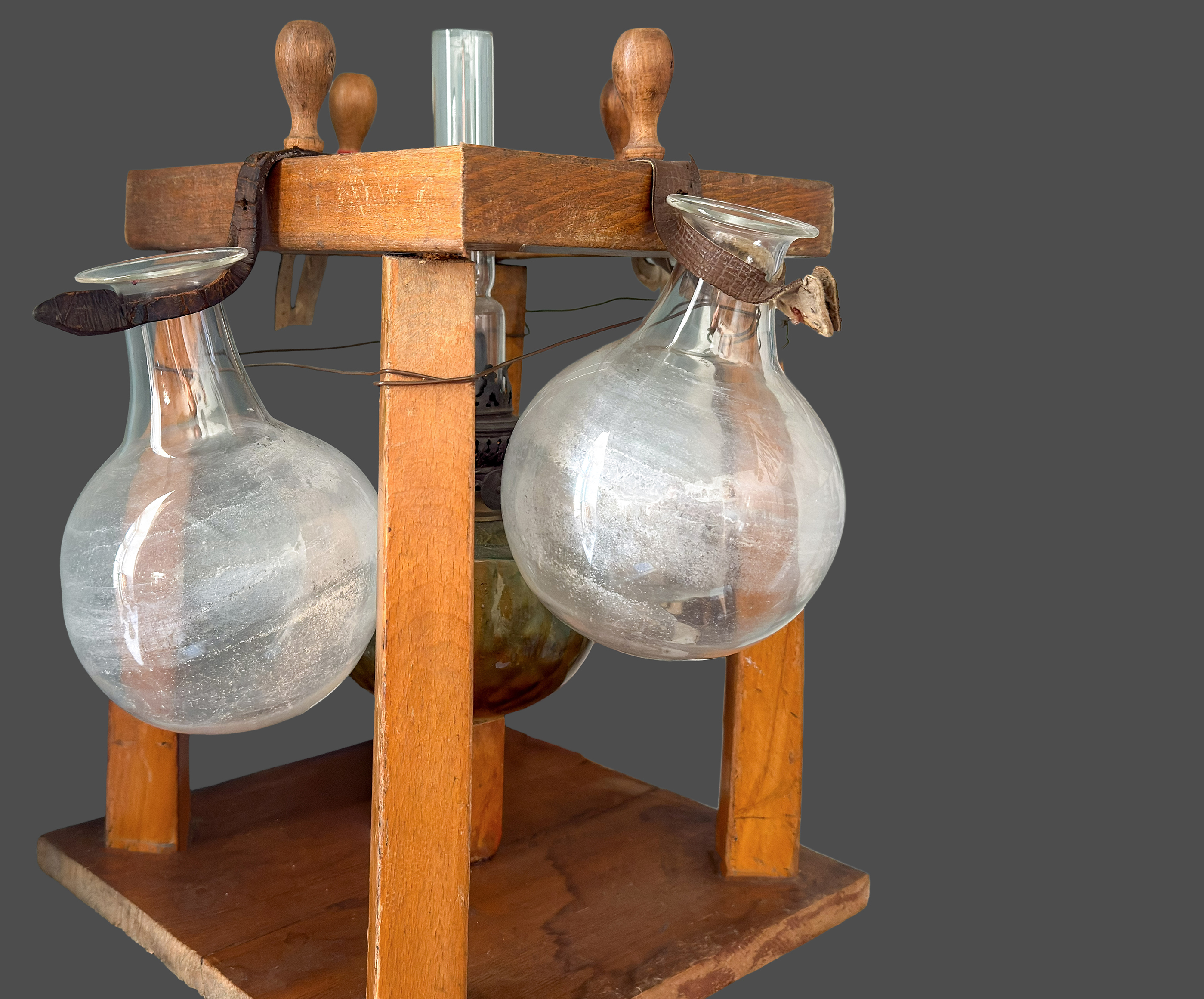
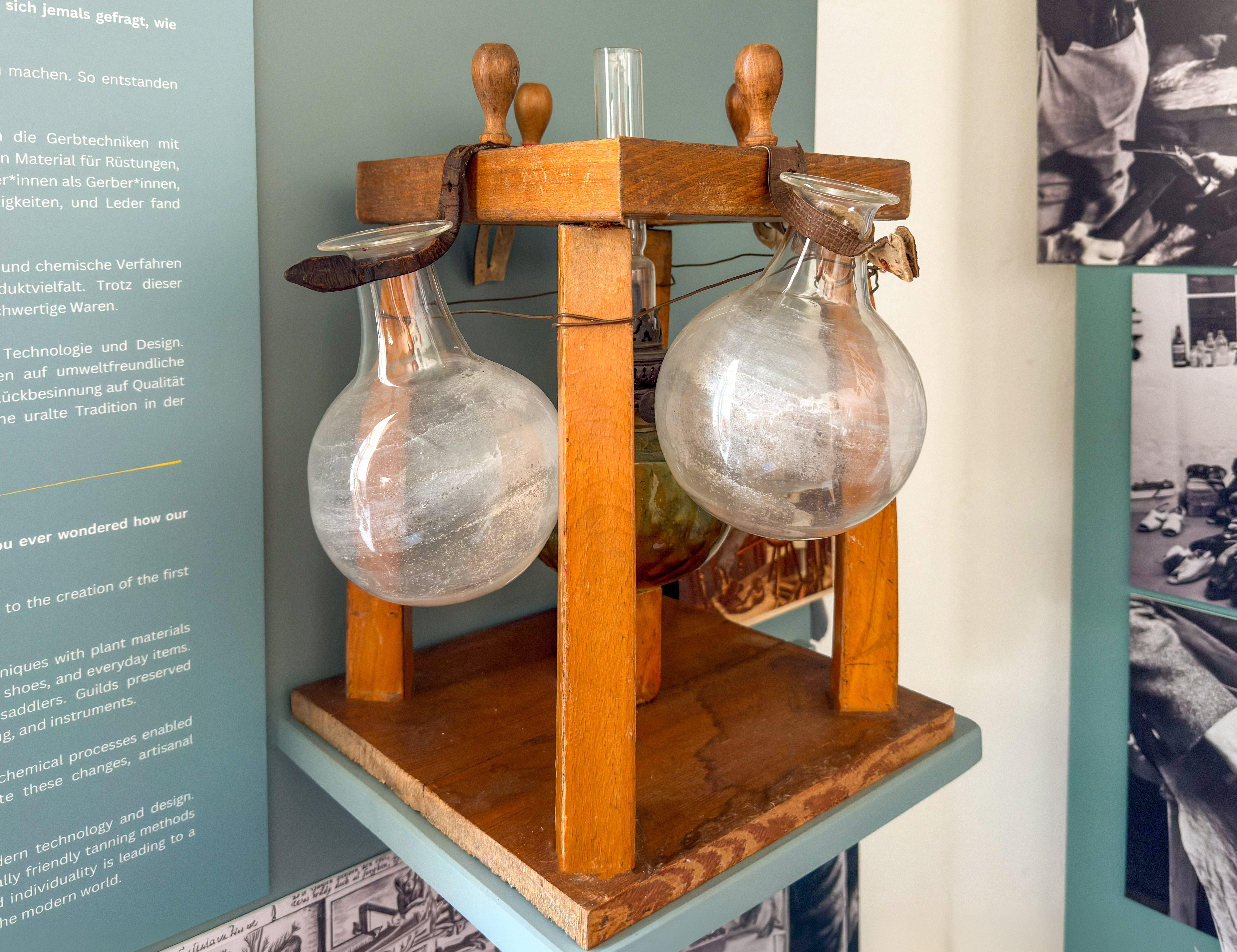
Object in Focus · Inv. No. HMO-O/1620
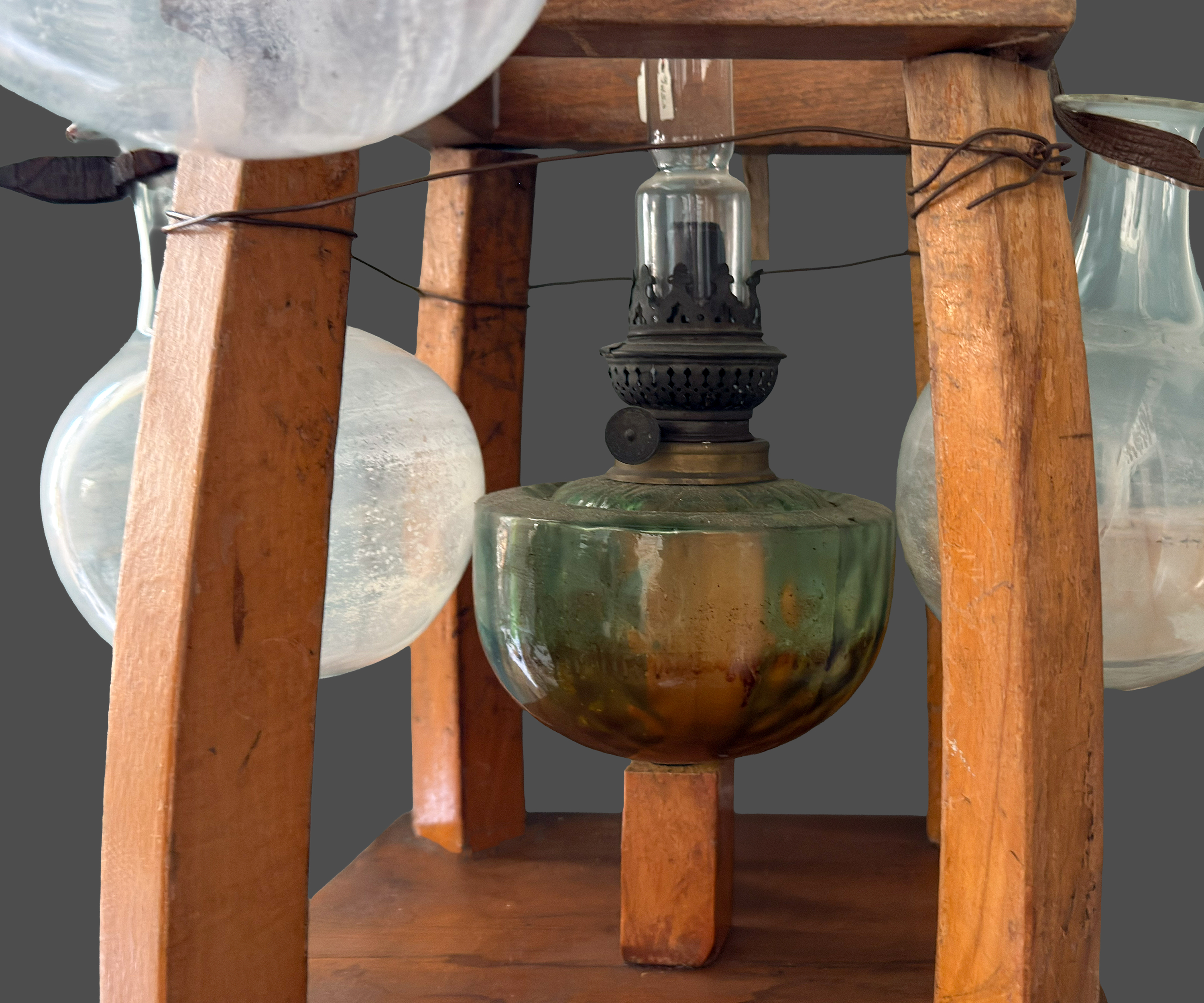
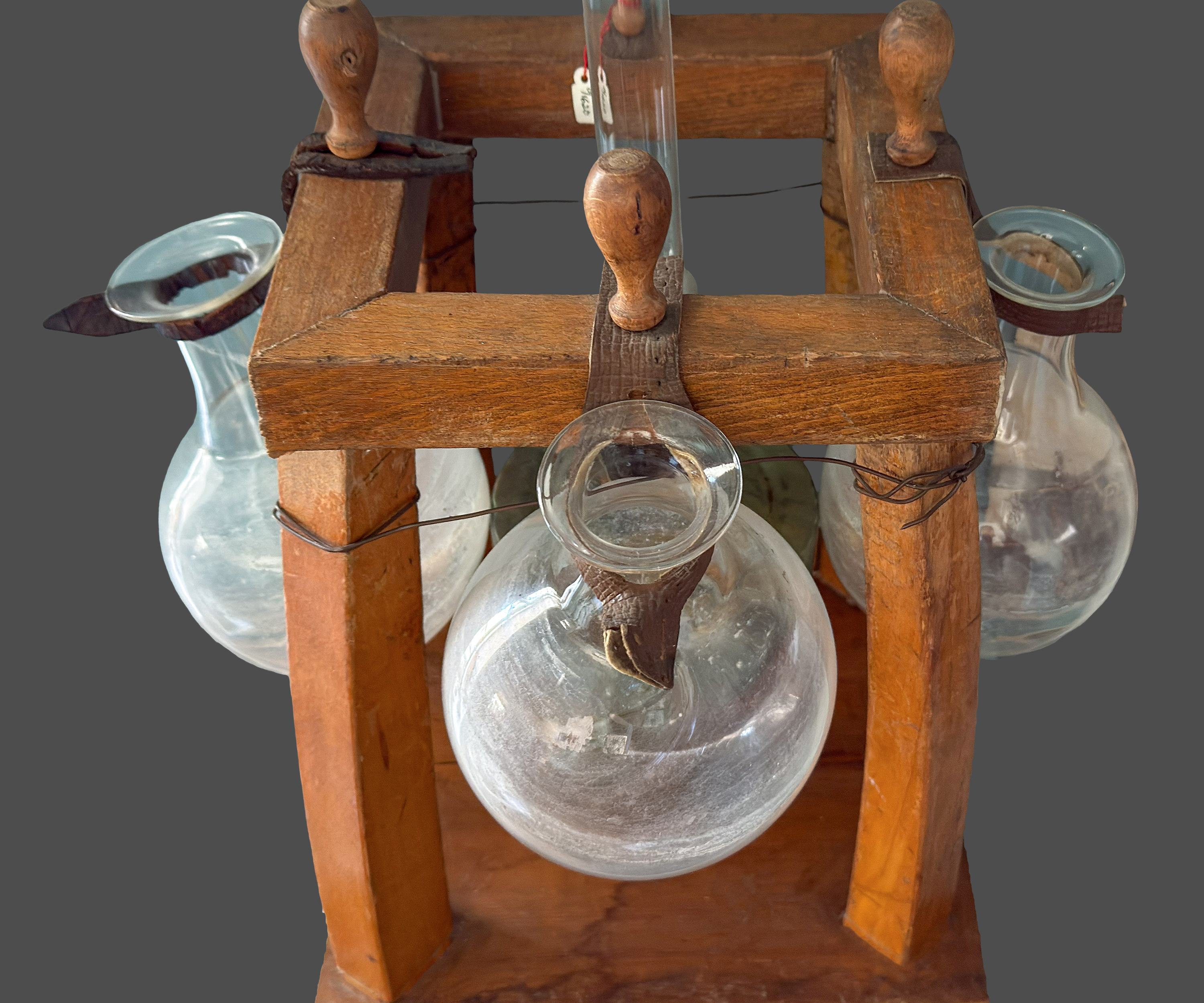
The Schusterkugel.
Physics Meets Craft.
A glass sphere filled with water acts as a natural converging lens and simultaneously filters the heat from the lamp. Discover the principle, experience the simulator and test your knowledge.
The History
Focusing light, filtering heat: a simple tool that became indispensable.
Cobblers, watchmakers and scientists used water-filled glass spheres to concentrate the faint light of oil or gas lamps into a bright, focused beam. The water acts as a converging lens and simultaneously filters out the heat radiation, so that sensitive materials such as leather were not damaged.
The development of large converging lenses by Ehrenfried Walther von Tschirnhaus and later electric light eventually displaced the Schusterkugel. Today it is a fascinating testament to craft engineering ingenuity.
Water has a refractive index of 1.33 (air: 1.0). The round shape causes converging refraction: all incoming rays meet at the focal point on the worktable.
At the same time, water absorbs infrared radiation (heat). Craftsmen could thus work close to strong light sources without scorching their materials.
Light Refraction Simulator
Drag the glass sphere with your mouse or finger. Observe how it focuses the light.
The Principle in Four Steps
An oil or gas lamp emits diffuse light in all directions. For fine craft work it is far too weak and indistinct.
The water (refractive index 1.33) focuses all light rays like a large converging lens into a shared focal point.
The focused light strikes the worktable brightly and precisely. The finest stitches were thus possible even in deep twilight.
Water absorbs infrared radiation. Valuable leather and other sensitive materials were not damaged by the lamp's heat.
Test Your Knowledge
Why fill the glass sphere with water rather than air?
What second important effect did the water filling have for craftsmen?
What ultimately replaced the Schusterkugel in the workshop?
Collection Specialist!
Object documentation according to ICOM Code of Ethics · Crafts Museum Ovelgönne · Inv. No. HMO-O/1620 · Collection: Leather Crafts
Research Areas
Our Collection Focus Areas.
We do not collect everything, but we collect systematically. Our holdings are divided into historic core areas that reflect life in the Wesermarsch from past to present.
Organisation & Training
From the traditional guild to the modern trade association. How the training system developed and how crafts were organised and passed on in former times.
History of Technology
The development of production techniques and the relationship between rural crafts and the emerging industrialisation in the Wesermarsch.
Women in the Crafts
The important role of women in historic trades, often beyond the official master certificates and chronicles, but indispensable to the complete picture.
Structural History
Change in village and rural spaces: illustrated by the barber-surgeon and the colonial goods store, showing how life in the countryside transformed.
Regional Biographies
Personal stories of craftswomen and craftsmen from the community: biographies showing how people shaped and managed their everyday lives.
Leisure & Culture
Photography, the historic choral room and bourgeois hobbies: how art and culture became increasingly important even in rural communities.
Science & Teaching
Cooperation with the University of Oldenburg.
We see ourselves as a teaching museum. In close collaboration with the Institute for Material Culture at Carl von Ossietzky University Oldenburg, we offer students hands-on insights into real museum work.
- Scientific Practice Days Students on the Master's programme Museum and Exhibition work actively on concrete projects at our institution for a full semester.
- The Teaching Museum Project Students conceive, curate and realise fully independent exhibitions directly within our historic premises.
- The Museum Internship We integrate interns as professional equals into all scientific and organisational areas of the museum.
Network & Partnerships
Partnerships that strengthen us.
We collaborate with science, associations and national and international networks — so that our work and collection receives the quality it deserves.
Carl von Ossietzky University Oldenburg
As an official cooperation and teaching museum of the Institute for Material Culture, students from the Master's programme Museum and Exhibition work on site with us. They conceive and realise independent projects, gaining real practical experience in a running museum operation.
ICOM & German Museums Association
All our museum work: collecting, preserving, documenting, exhibiting, follows the recommendations of the German Museums Association (DMB) and the ICOM Code of Ethics, the globally recognised ethical professional standard for museums. This ensures our work meets international quality standards.
Museum Association Wesermarsch & MVNB
We are a founding member of the Museum Association Wesermarsch and also a member of the Museum Association for Lower Saxony and Bremen (MVNB). Both networks strengthen the regional museum landscape and connect us with institutions throughout the region.
Participation & Exchange
Your Story Counts.
Do you have an object for us?
Many undiscovered treasures still lie in attics. If you have historic tools, artefacts, documents or photographs connected to Ovelgönne or the Wesermarsch, please do get in touch. We carefully examine every donation request for its historic significance.
Submit donation enquiryKnowledge & Research
Researching regional crafts or everyday history? Or do you have questions about a specific object in our exhibition? We are happy to help: with detailed information from our archive.
Get in touch